
Heart Attacks Are No Longer an “Old Age” Problem
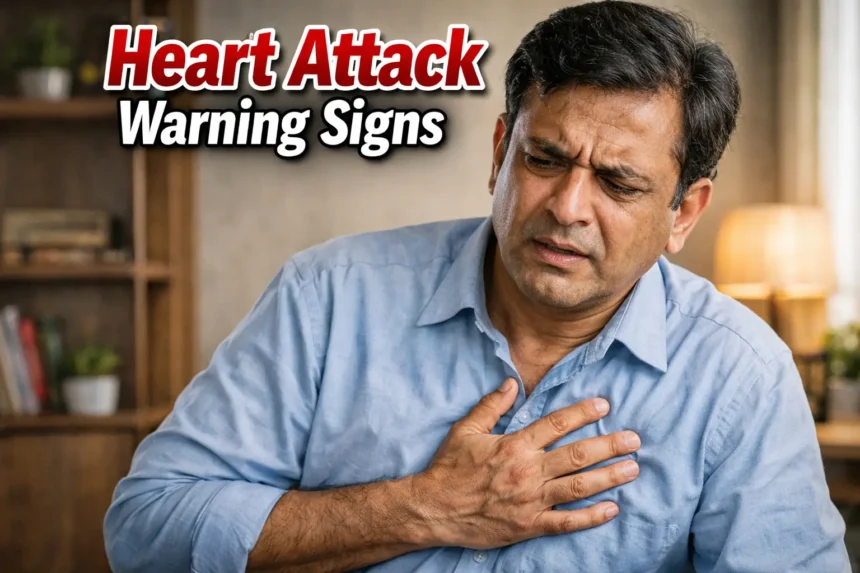
In 2026, heart attacks are striking Indians younger than ever before. People in their 30s and even late 20s are being rushed to hospitals with severe cardiac events. What makes this trend truly alarming is that many victims had warning signs weeks or even months earlier—but ignored them completely. The belief that heart attacks only happen to elderly people is dangerously outdated. Modern lifestyles, stress, poor diet, and lack of physical activity have changed the risk profile entirely. Understanding early heart attack symptoms is not just medical knowledge anymore; it is a survival skill.
Why Heart Attacks Are Increasing Rapidly in India
India faces a unique combination of genetic and lifestyle risk factors. High carbohydrate diets, rising stress levels, sedentary work, and irregular sleep have created the perfect conditions for heart disease. Urban living has reduced physical movement, while mental pressure has increased sharply. Many people appear healthy on the outside but suffer from hidden conditions like high cholesterol, high blood pressure, or insulin resistance that quietly damage the heart.
Chest Discomfort That People Commonly Ignore
Chest pain is the most known symptom, yet it is also the most misunderstood. Early heart-related chest discomfort is not always sharp or dramatic. It may feel like pressure, heaviness, tightness, or burning in the chest. Many Indians confuse this with gas, acidity, or muscle strain—especially after eating spicy food or working long hours. Ignoring repeated chest discomfort is one of the most common and fatal mistakes.
Unusual Fatigue That Has No Clear Reason
Extreme and unexplained fatigue is one of the earliest warning signs of heart trouble. When the heart struggles to pump efficiently, the body receives less oxygen, leading to constant tiredness. People often blame this fatigue on work stress or lack of sleep. However, fatigue that persists despite rest should never be ignored, especially when combined with other symptoms.
Shortness of Breath During Simple Activities
Breathlessness while climbing stairs, walking short distances, or doing routine work can indicate that the heart is under strain. This symptom often appears before any chest pain. Many people dismiss it as low fitness or weight gain. In reality, it may signal blocked arteries or weakened heart function that needs immediate attention.
Pain That Travels Beyond the Chest
Heart-related pain does not always stay in the chest. It can radiate to the left arm, shoulder, neck, jaw, or even the upper back. Some people experience pain only in these areas without chest discomfort. Jaw pain or left arm pain is frequently ignored or treated with painkillers, delaying life-saving medical care.
Sweating, Dizziness, and Nausea
Sudden cold sweating without physical exertion is a red flag. It often occurs due to the body’s stress response when the heart is not receiving enough blood. Dizziness, lightheadedness, or nausea—especially when combined with chest discomfort—can indicate an impending cardiac event. These symptoms are frequently mistaken for dehydration or food-related issues.
Silent Heart Attacks: The Most Dangerous Kind
Not all heart attacks cause dramatic pain. Silent heart attacks produce mild or vague symptoms that people ignore completely. These may include slight discomfort, fatigue, or mild breathlessness. Silent heart attacks are especially dangerous because they cause damage without the person realizing it. Many people discover past heart damage only during routine medical tests.
Also read this : Always Tired in 2026? Shocking Health Reasons Indians Are Ignoring Daily
Why Young Indians Are at Higher Risk in 2026
Younger Indians face intense work pressure, irregular sleep, poor diet, and high screen time. Smoking, alcohol, and lack of exercise further increase risk. Genetic predisposition also plays a role. Indians tend to develop heart disease earlier compared to many other populations, making early awareness crucial.
What Global Health Experts Warn
According to the World Health Organization, cardiovascular diseases remain the leading cause of death worldwide. Early detection and lifestyle modification are the most effective ways to reduce mortality. Reliable heart health guidance is available at World Health Organization.
When You Should Seek Immediate Medical Help
Any combination of chest discomfort, breathlessness, unexplained fatigue, sweating, or radiating pain requires immediate medical evaluation. Waiting to “see if it goes away” can be fatal. Reaching a hospital early dramatically increases survival chances and reduces long-term heart damage.
Simple Steps to Reduce Heart Attack Risk
Regular health checkups, balanced diet, physical activity, stress management, and adequate sleep form the foundation of heart health. Monitoring blood pressure, sugar, and cholesterol helps detect problems early. Avoiding tobacco, limiting alcohol, and staying active are non-negotiable habits in 2026.
Common Myths That Delay Treatment
Many believe that being slim means being heart-healthy, which is false. Others think young age offers protection. These myths cost lives every year. Heart disease does not always give loud warnings. Often, it whispers before it strikes.
Conclusion: Early Warning Signs Save Lives
In 2026, heart attacks are no longer sudden, unpredictable events. The body usually gives warning signs—it is our responsibility to listen. Ignoring early heart attack symptoms out of fear, denial, or misinformation can turn a treatable condition into a fatal one. Awareness, timely action, and preventive care can save lives—possibly your own or someone you love.