Train travel in India often comes with confusing ticket statuses like RAC and Waiting List, leaving passengers unsure about seat availability and comfort. In 2026, understanding Indian Railways seat sharing rules has become even more important, as millions of passengers rely on long-distance trains every day. Indian Railways follows a structured system to manage high passenger demand while ensuring fair seat allocation. Knowing how RAC and waiting list tickets work can help travellers plan better and avoid last-minute surprises.
What Is RAC in Indian Railways
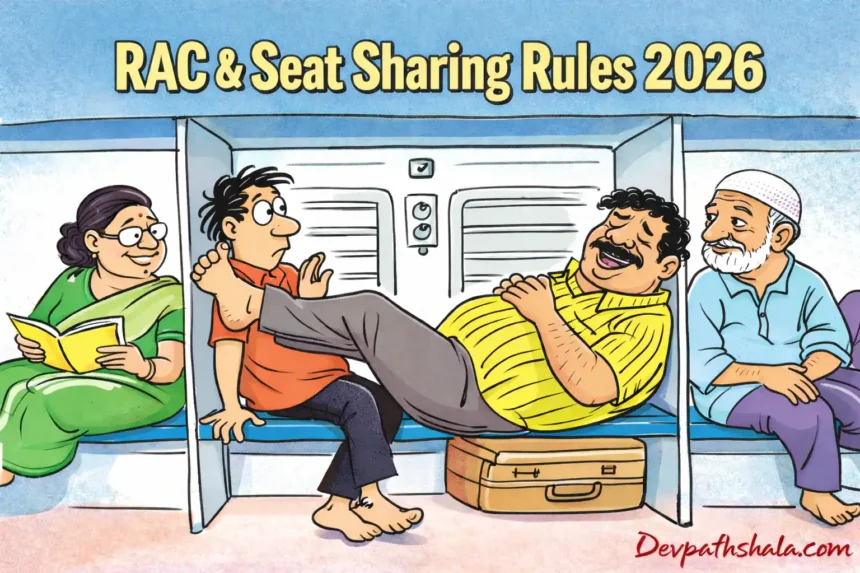
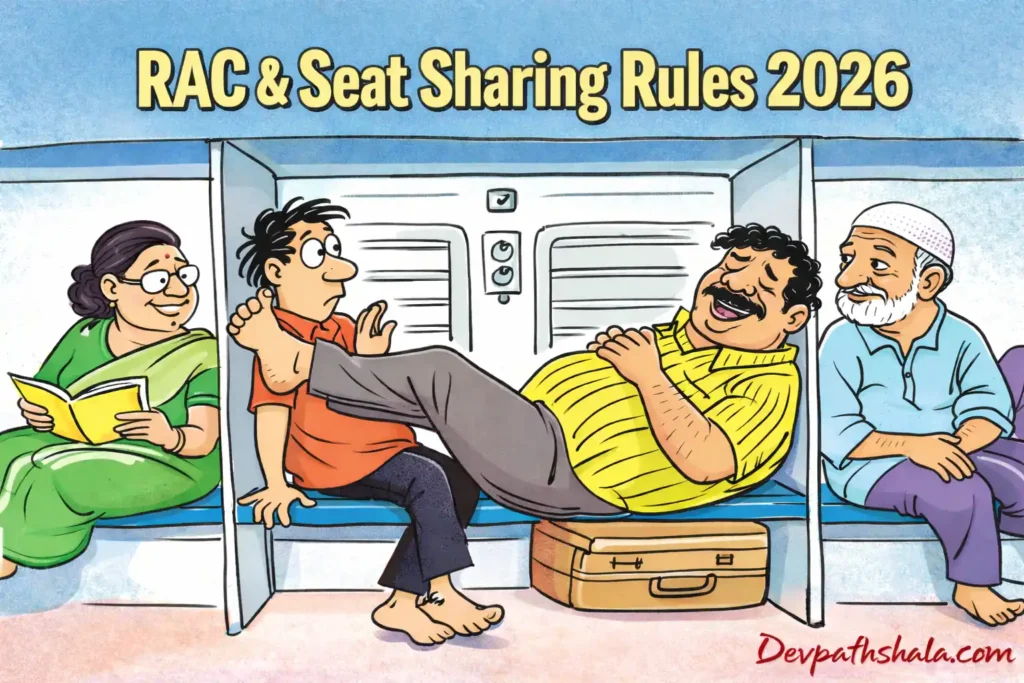
RAC, or Reservation Against Cancellation, allows passengers to board the train even when a full berth is not available. RAC passengers are given a shared seating arrangement, usually half of a lower berth, until a full berth becomes available through cancellations. Unlike waiting list tickets, RAC tickets guarantee the right to travel, making them far more reliable for urgent journeys.
Also read this : RAC, WL & GNWL Explained in Simple Language: Indian Railways Booking Rules 2026
How Seat Sharing Works Under RAC
In most sleeper and AC classes, a single lower berth is shared between two RAC passengers. During daytime, both passengers can sit comfortably, while at night, they adjust their seating arrangement until a confirmed berth becomes available. If another passenger cancels their ticket, RAC passengers are upgraded automatically based on their position in the queue.
Difference Between RAC and Waiting List Tickets
The biggest difference lies in boarding eligibility. RAC passengers can travel, while waiting list passengers cannot board the train if their ticket remains unconfirmed at the time of chart preparation. Waiting list tickets only get confirmed if enough cancellations occur before the final chart is prepared. Otherwise, e-tickets are automatically cancelled and refunded.
Confirmation Priority Rules
Indian Railways follows a clear priority order for seat allocation. Confirmed tickets come first, followed by RAC passengers, and then waiting list passengers. Once RAC tickets are exhausted, only waiting list tickets remain, which have lower chances of confirmation, especially during peak seasons.
Chart Preparation and Its Impact
Final chart preparation usually happens a few hours before train departure. At this stage, available berths are allocated to RAC passengers first. If a waiting list ticket does not move to RAC or confirmed status by charting time, passengers are not allowed to board the train with that ticket.
Are Seat Sharing Rules Same Across All Trains
Seat sharing rules apply mainly to Sleeper Class and AC coaches. However, premium trains like Vande Bharat and some special services no longer offer RAC, issuing only fully confirmed tickets. This change is aimed at improving passenger comfort and reducing overcrowding in premium services.
What Passengers Should Keep in Mind
Passengers with RAC tickets should check their status regularly, as upgrades can happen even after chart preparation. Boarding with a waiting list e-ticket is strictly prohibited. Carrying a valid ID proof and checking the final ticket status before reaching the station helps avoid inconvenience.
Why Knowing These Rules Matters
Lack of awareness often leads to disputes with ticket examiners and unnecessary stress during travel. Understanding seat sharing rules allows passengers to know their rights and expectations clearly. In 2026, with increasing passenger volumes, being informed is the best way to ensure a smoother journey.
How Indian Railways Manages Passenger Load
Seat sharing through RAC helps Indian Railways optimise capacity while still offering passengers a chance to travel. It acts as a balance between comfort and accessibility during high-demand periods. The Indian Railways seat sharing system is designed to manage heavy demand while offering fair travel opportunities. RAC tickets provide a confirmed journey with shared seating, while waiting list tickets remain uncertain until confirmation. By understanding these rules, passengers can make smarter booking decisions, reduce travel anxiety, and enjoy a more predictable train journey in 2026.