Credit Card Are Helpful, Until They Turn Dangerous
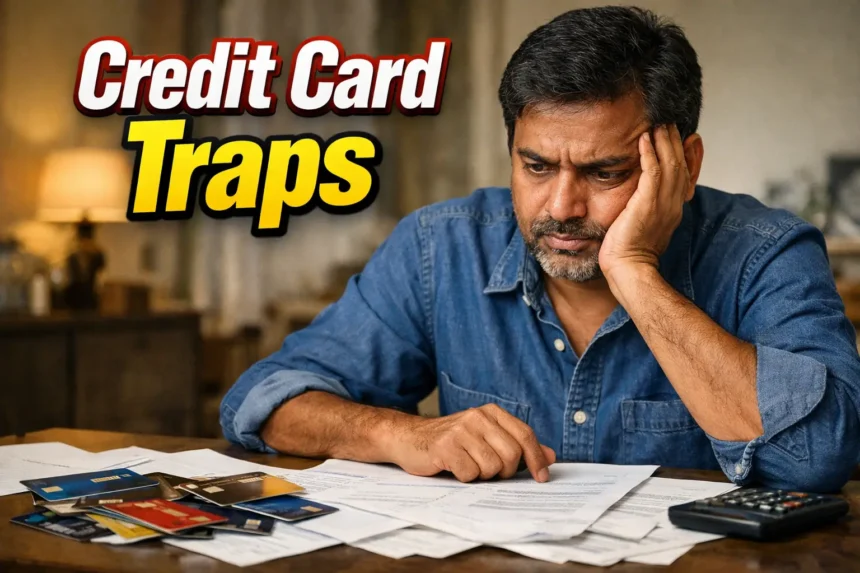
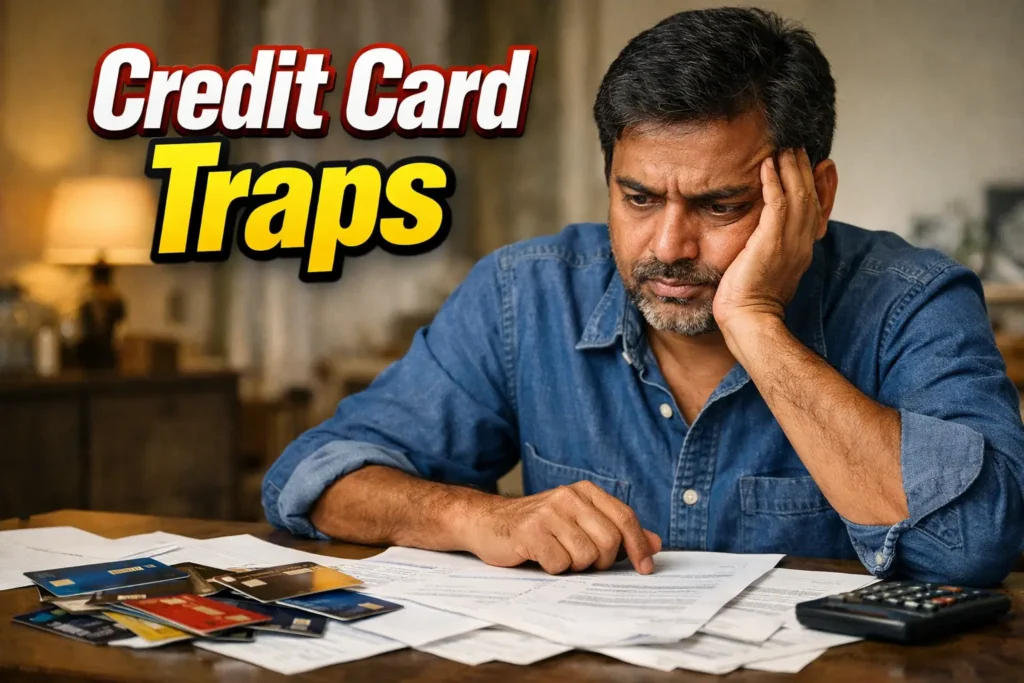
Credit card have become a normal part of daily life in India. From online shopping and bill payments to travel bookings and emergency expenses, credit cards offer unmatched convenience. However, in 2026, an increasing number of users are falling into serious financial trouble because they do not fully understand how credit cards actually work. Banks promote credit cards as lifestyle tools with rewards, cashback, and easy EMIs. What they rarely highlight are the traps hidden behind minimum payments, interest calculations, late fees, and fine print. These traps do not cause instant damage, which is why users ignore early warning signs until debt becomes overwhelming.
Why Credit Card Debt Is Rising Rapidly in 2026
The biggest reason behind rising credit card debt is misuse, not usage. Easy approvals, higher limits, and aggressive marketing have made credit cards accessible even to people without stable financial planning. In 2026, many users treat credit cards as extra income rather than borrowed money. Combined with rising living costs and instant-buy culture, this mindset leads to repeated overspending and long-term debt cycles.
The Minimum Payment Trap Explained Clearly
One of the most dangerous credit card traps is the minimum payment option. Paying only the minimum amount may feel like relief, but it keeps the debt alive for years. When users pay only the minimum, interest continues to apply on the remaining balance. Over time, a small purchase can cost double or even triple its original value. Banks earn the most from customers who regularly pay minimum dues.
Also read this : Most Dangerous Mobile Apps in 2026 That Can Secretly Steal Your Data.
Hidden Interest Calculation That Most Users Don’t Understand
Credit card interest is calculated daily, not monthly. This means even a small unpaid balance starts accumulating interest immediately after the due date. In 2026, interest rates on credit cards remain among the highest in consumer finance. Many users are unaware that cash withdrawals and EMIs follow different interest rules, often with higher charges and no interest-free period.
Late Payment Charges and Penalty Snowball Effect
Missing a credit card due date triggers multiple penalties. Late payment fees, interest charges, and tax on these charges quickly increase the outstanding amount. Even a single missed payment can negatively impact your credit score, making future loans and cards harder or more expensive to obtain. Repeated delays push users into a debt spiral that becomes difficult to escape.
Reward Points and Cashback Illusion
Reward points and cashback offers are designed to encourage spending. While they offer value when used wisely, they often push users to spend more than necessary. Many users overspend to earn rewards, forgetting that interest paid on unpaid balances far exceeds any cashback earned. Rewards only make sense when the full bill is paid on time.
EMI Conversion: Convenience With a Hidden Cost
Converting purchases into EMIs feels like a smart move, especially for expensive items. However, EMIs often come with processing fees, interest, and extended repayment periods. In 2026, many users unknowingly run multiple EMIs simultaneously, reducing monthly cash flow and increasing financial stress. EMIs should be used selectively, not as a default option.
Cash Withdrawal: The Costliest Credit Card Feature
Using a credit card to withdraw cash is one of the most expensive mistakes users make. Cash advances attract immediate interest, high fees, and no interest-free period. This feature should be used only in extreme emergencies. Regular cash withdrawals indicate financial mismanagement and often signal deeper money problems.
Impact of Credit Card Misuse on Credit Score
Credit card behavior directly affects your credit score. High credit utilization, delayed payments, and frequent cash withdrawals reduce creditworthiness. A poor credit score affects loan approvals, interest rates, and even job background checks in some sectors. Responsible card usage strengthens financial credibility over time.
What Regulators Say About Credit Card Safety
Financial regulators such as the Reserve Bank of India have repeatedly issued guidelines to improve transparency in credit card charges and customer communication. Banks are required to clearly disclose fees, interest rates, and penalties. Despite these rules, responsibility ultimately lies with users to read statements carefully and understand terms. Official consumer awareness resources are available at RBI Official website.
Also read this : Cyber Crime Complaint Process in India 2026: Complete Step-by-Step Guide for Victims
Smart Rules to Use Credit Cards Safely in 2026
Using credit cards safely is simple but requires discipline. Always pay the full bill before the due date. Keep credit utilization low and avoid unnecessary EMIs. Tracking expenses, setting spending limits, and treating credit as borrowed money rather than income helps maintain control. Credit cards should support financial health, not damage it.
Common Myths That Lead to Financial Trouble
Many people believe having multiple cards improves credit score automatically, which is false. Others think paying minimum dues is acceptable long-term, which is extremely harmful. Understanding the reality behind these myths prevents costly mistakes.
Credit Cards Are Tools, Not Free Money
In 2026, credit cards remain powerful financial tools when used responsibly. The real danger lies in ignorance, not in the card itself. By understanding hidden traps, interest rules, and spending psychology, users can enjoy benefits without falling into debt. Financial awareness is the strongest shield against credit card traps. Control the card, or it will control you.