Why Health Insurance Mistakes in 2026 Can Be Financially Dangerous
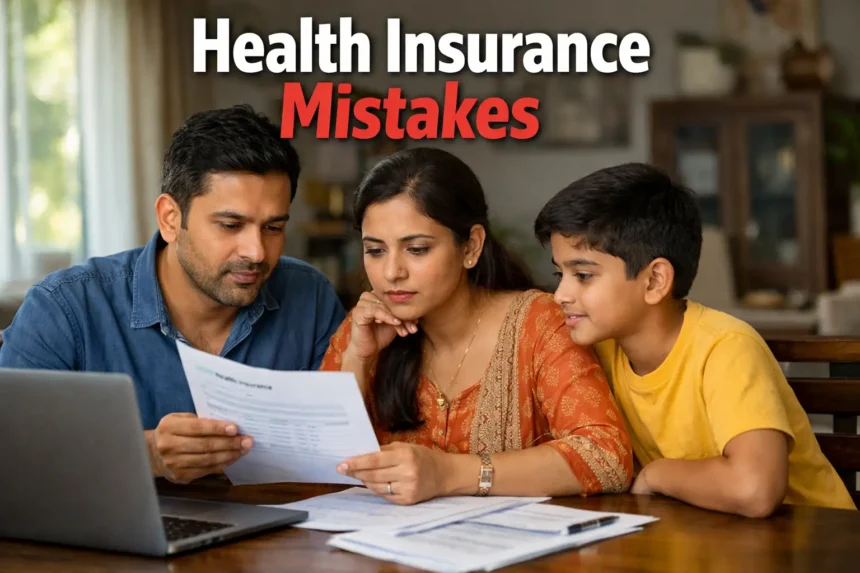
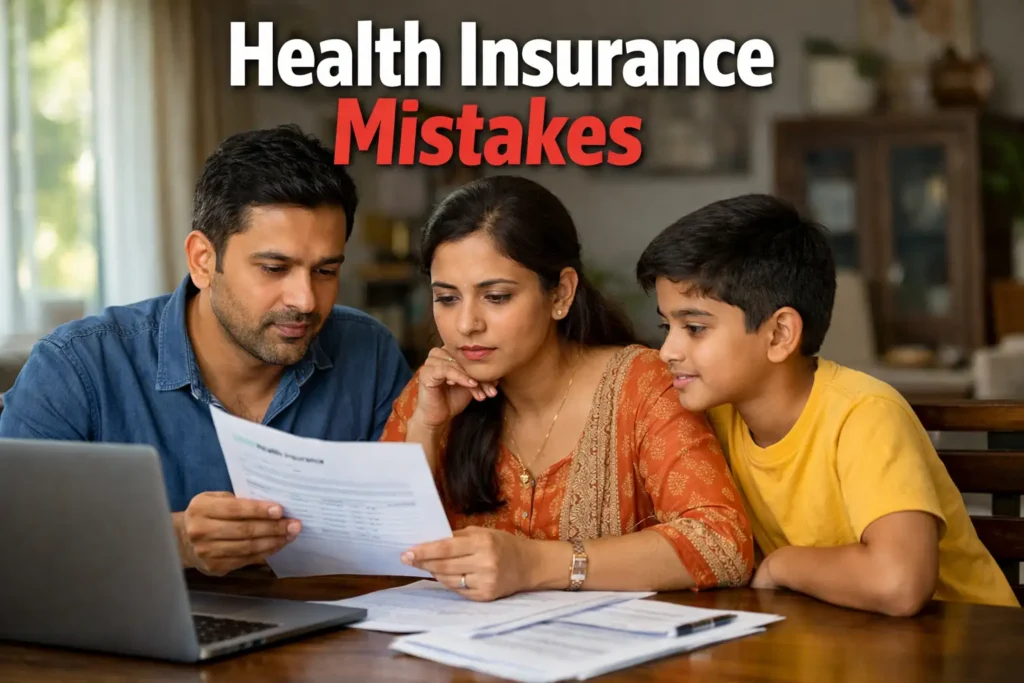
Health insurance in India is no longer optional. In 2026, medical inflation continues to rise, and even a single hospitalization can wipe out years of savings. Yet, despite increased awareness, many middle-class families still make serious health insurance mistakes that later cost them financially and emotionally. Buying a policy without proper understanding can lead to claim rejection, limited coverage, or unexpected out-of-pocket expenses. The purpose of health insurance is to provide peace of mind, but poor decisions can turn it into a burden.
If you are planning to buy or upgrade your health insurance policy in 2026, understanding these common mistakes can protect your family and your finances.
Mistake 1: Choosing a Policy Only Because of Low Premium
One of the most common health insurance mistakes in 2026 is selecting a plan solely based on the lowest premium. A cheaper premium often means limited coverage, higher deductibles, or strict conditions. Many middle-class families focus only on monthly affordability and ignore the overall benefits. However, during a medical emergency, coverage limits matter more than saving a few hundred rupees per month. A slightly higher premium with better hospital network and coverage can make a huge difference.
Mistake 2: Ignoring the Waiting Period Clause
Every health insurance policy in India includes waiting periods for certain illnesses and pre-existing diseases. Some policies have a waiting period of two to four years for specific treatments.
People often skip reading these details and assume all diseases are covered immediately. In reality, claims for certain conditions may be rejected if the waiting period has not been completed. Always check the waiting period in health insurance before finalizing your plan.
Mistake 3: Not Checking the Claim Settlement Ratio
The claim settlement ratio indicates how many claims an insurer has successfully settled compared to total claims received. A higher ratio usually reflects better reliability.
You can check official insurer performance data on the website of the Insurance Regulatory and Development Authority of India (IRDAI). This ensures you rely on authentic data instead of marketing advertisements. Ignoring this factor is a serious health insurance mistake that may cause stress during emergencies.
Mistake 4: Underestimating the Required Coverage Amount
In metro cities, hospitalization costs for serious illnesses can easily cross ₹5 to ₹10 lakhs. Many families still buy policies with insufficient coverage just to keep premiums low.
Medical inflation in India is rising faster than general inflation. A policy that seemed adequate five years ago may not be sufficient in 2026. Financial experts recommend choosing a sum insured that realistically matches city-level healthcare expenses and family size.
Mistake 5: Hiding Medical History
Some people intentionally hide existing medical conditions to get a lower premium or faster approval. This is a dangerous decision. If the insurer finds non-disclosure during claim investigation, the claim can be rejected completely. Honest disclosure of medical history ensures smoother claim processing. Transparency protects you legally and financially.
Mistake 6: Not Understanding Sub-Limits and Co-Pay Clauses
Certain policies have room rent limits, disease-specific caps, or co-payment clauses. For example, if your room rent limit is ₹3,000 per day but the hospital charges ₹6,000, you may have to bear a significant portion of the bill. These technical terms often go unnoticed while purchasing a policy. Understanding them in advance can prevent financial shock later.
Mistake 7: Delaying Purchase Until It’s Too Late
Many middle-class individuals postpone buying health insurance because they feel young and healthy. However, purchasing a policy at a younger age has clear advantages. Premiums are lower, waiting periods start earlier, and the risk of rejection due to medical conditions is reduced. Delaying purchase not only increases cost but may also limit options. In 2026, medical emergencies can occur unexpectedly. Having coverage early provides both financial stability and mental peace.
Also read this : Always Tired in 2026? Shocking Health Reasons Indians Are Ignoring Daily
Why Middle-Class Health Planning Matters More Than Ever
For middle-class families, one major illness can disrupt long-term goals such as children’s education, home loans, or retirement planning. Health insurance acts as a financial shield against such shocks. Proper health planning in 2026 is not just about buying a policy; it is about understanding coverage, comparing features, and reviewing plans regularly. Insurance should be aligned with changing family needs.
How to Choose the Best Health Insurance Policy in 2026
Selecting the best health insurance policy in 2026 requires careful comparison. Look beyond premium cost. Evaluate hospital network, coverage benefits, waiting periods, claim settlement history, and customer service. Reading policy documents carefully and asking questions before signing is crucial. If needed, consult a licensed advisor rather than relying only on online advertisements. Health insurance should be seen as long-term financial protection, not just a yearly expense.
Avoid Health Insurance Mistakes and Secure Your Family’s Future
Health insurance mistakes in 2026 can be costly, but they are avoidable. Middle-class families must approach health insurance with awareness and careful planning. Choosing the right coverage, disclosing medical history honestly, and understanding policy terms can save lakhs of rupees in the future.
Medical emergencies are unpredictable, but financial preparation is in your control. Investing time in selecting the right health insurance policy today ensures stability, security, and peace of mind for your loved ones tomorrow.