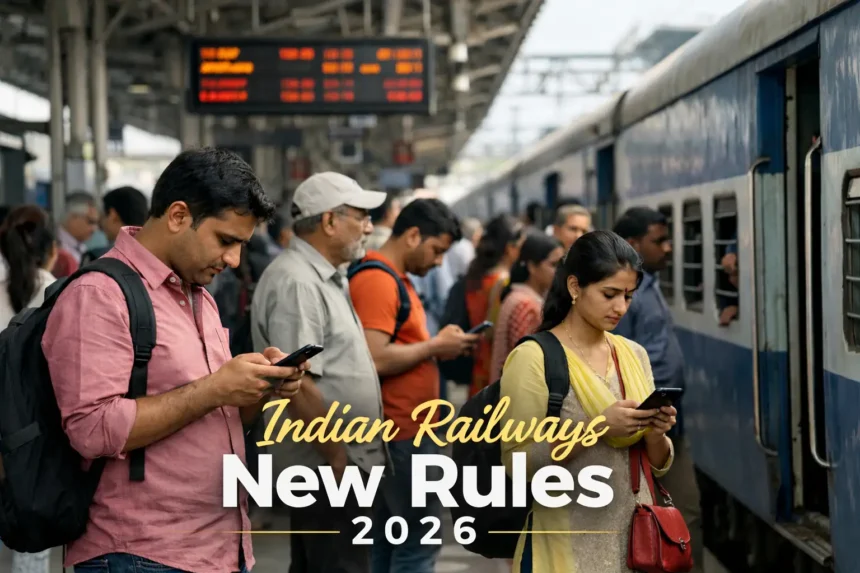
I ndian Railways is one of the largest railway networks in the world, serving millions of passengers every day. With changing travel patterns, rising online bookings, and passenger convenience becoming a top priority, Indian Railways has introduced several new rules in 2026 related to ticket cancellation, refunds, and waiting list management. These changes aim to make the system more transparent, fair, and passenger-friendly.
If you regularly travel by train or book tickets online through IRCTC, understanding the Indian Railways New Rules 2026 is extremely important. This blog explains the latest updates in simple language so that passengers can avoid confusion, financial loss, and last-minute stress.
Indian Railways Ticket Cancellation Rules 2026
Ticket cancellation rules have always been a major concern for passengers, especially when plans change suddenly. In 2026, Indian Railways has refined its cancellation framework to bring more clarity and consistency.
For confirmed tickets, cancellation charges now strictly depend on the time left before the scheduled departure of the train. If a ticket is cancelled well in advance, passengers still get a reasonable refund after standard deductions. However, last-minute cancellations attract higher charges to discourage misuse of confirmed seats.
A significant change introduced in 2026 is the strict enforcement of chart preparation timelines. Once the final reservation chart is prepared, cancellation rules become more rigid. Passengers can no longer expect flexibility after chart preparation, even if the train is delayed.
These updated rules make it essential for travelers to cancel tickets as early as possible if they are unsure about their journey.
Updated Refund Policy Under Indian Railways 2026
Refund rules have been one of the most discussed topics among railway passengers. Under the Indian Railways refund policy 2026, refunds are now processed in a more structured and time-bound manner.
For online bookings, refunds are automatically credited to the original payment source, usually within a fixed number of working days. Manual intervention has been reduced, which minimizes delays and errors. This change improves transparency and builds passenger trust.
In case of train cancellation by Railways, passengers are entitled to a full refund without any deduction. Similarly, if a train is significantly delayed beyond the prescribed limit, refund eligibility depends on whether the passenger has travelled or not. Passengers are advised to always check the refund status through official platforms to avoid relying on unofficial information or agents.
Also read here : Tatkal Ticket तुरंत Confirm करने का सबसे Powerful और आसान तरीका
Waiting List Rules 2026: What Has Changed?
Waiting list tickets are common, especially during peak seasons and festivals. The waiting list rules 2026 have been clarified to reduce confusion and misuse.
As per the latest rules, passengers holding fully waitlisted e-tickets are not allowed to travel once the final chart is prepared. These tickets are automatically cancelled, and the refund is processed as per norms. This rule has been strictly implemented to ensure safety and proper seat allocation.
For partially confirmed tickets where one passenger is confirmed and another is waitlisted, the rules remain unchanged. The confirmed passenger can travel, while the waitlisted passenger’s status depends on final chart preparation.
Indian Railways has also improved real-time updates so passengers can track their waiting list movement more accurately before departure.
RAC Rules in Indian Railways 2026
Reservation Against Cancellation (RAC) tickets continue to play an important role in accommodating more passengers. Under RAC rules Indian Railways 2026, RAC passengers are allowed to travel and are guaranteed a seat, though not always a full berth.
One important update is better prioritization of RAC tickets during chart preparation. If cancellations occur, RAC passengers are upgraded to confirmed status based on availability. This ensures optimal utilization of berths and reduces last-minute uncertainty.
However, passengers must note that RAC cancellation charges are different from confirmed tickets. Cancelling an RAC ticket closer to departure may result in higher deductions.
Why These New Rules Matter for Passengers
The Indian Railways New Rules 2026 are designed to improve efficiency, reduce misuse of reservations, and ensure fair access to seats. By tightening rules around chart preparation and refunds, Indian Railways aims to balance passenger convenience with operational discipline.
For regular travelers, these rules encourage better planning and timely decision-making. For occasional travelers, they provide clarity on what to expect in case of cancellation or waitlist scenarios.
Staying informed helps passengers avoid unnecessary financial loss and travel-related stress.
Also read this : New-Gen Renault Duster Teased: Iconic SUV Makes a Powerful Comeback in India (2026)
Official Source for Railway Rules and Updates
Passengers should always rely on official information for accurate and updated rules. You can check the latest circulars and passenger-related guidelines on the official Indian Railways website:
https://indianrailways.gov.in
The Indian Railways ticket cancellation, refund, and waiting list rules 2026 reflect a more structured and passenger-focused approach. While some rules may feel stricter, they ultimately aim to create a transparent and efficient reservation system.
By understanding these updates, passengers can make smarter booking decisions, cancel tickets at the right time, and travel with confidence. As Indian Railways continues to modernize, staying updated with official rules is the key to a smooth journey.