Why Everyone Is Complaining About Instagram Reach in 2026
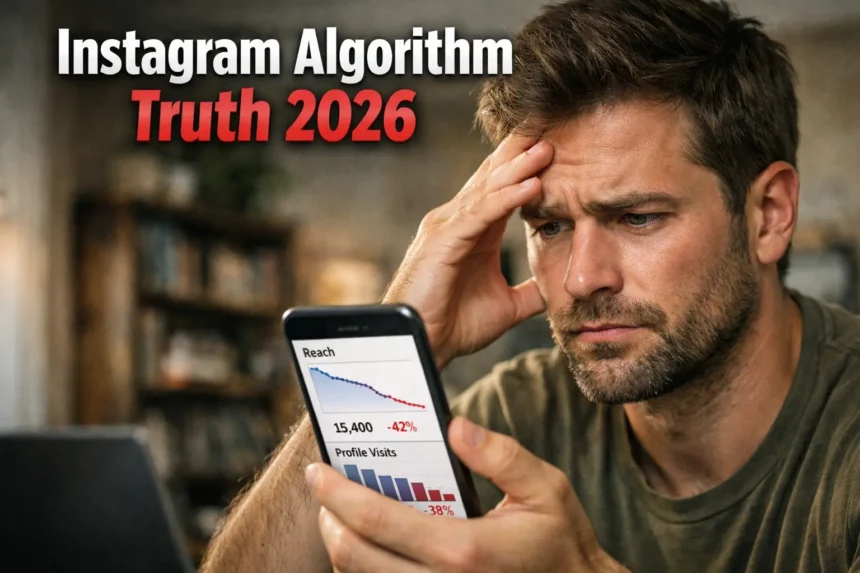
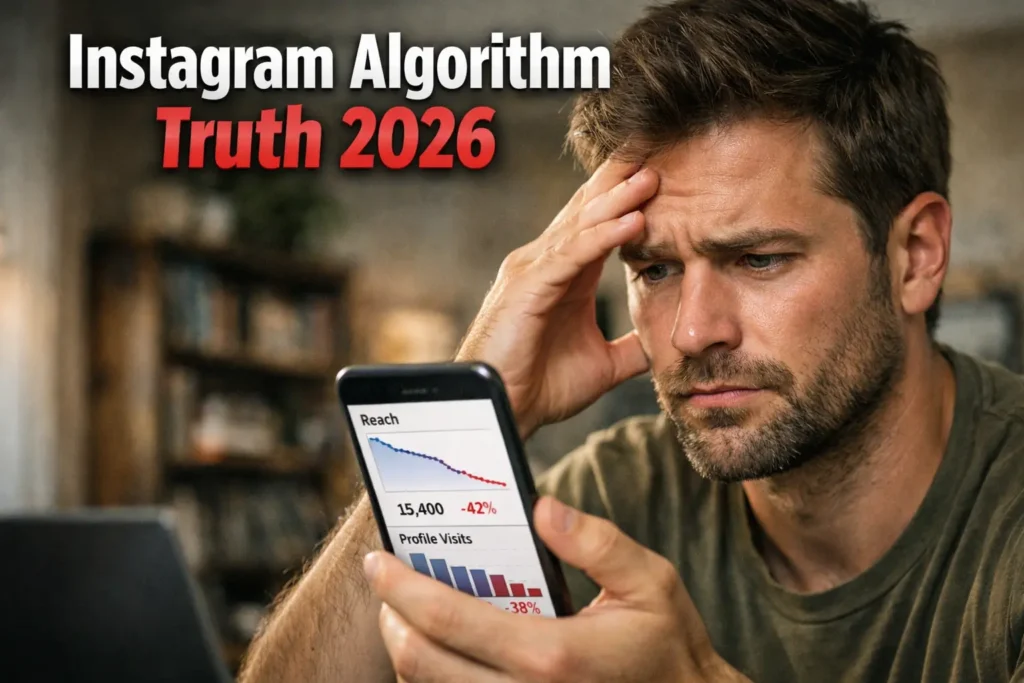
In 2026, one complaint dominates creator conversations on Instagram: “My reach is dead.” Posts that once reached thousands now struggle to cross a few hundred views. Reels stop pushing suddenly, stories get fewer replies, and even loyal followers miss content. Many creators blame shadowbans or paid promotion pressure, but the real reasons are deeper and more structural.
Instagram’s algorithm has changed significantly, focusing less on vanity metrics and more on meaningful engagement and user satisfaction. Understanding the Instagram algorithm truth in 2026 is essential for anyone who wants to grow—or even survive—on the platform.
How the Instagram Algorithm Actually Works in 2026
The Instagram algorithm is no longer a single system. It is a combination of multiple ranking systems working together for Feed, Reels, Stories, and Explore. Each system prioritizes content based on how users interact with it, how long they stay, and whether they return for more. In 2026, Instagram heavily rewards content that keeps users on the app longer and encourages genuine interaction. Passive scrolling content is deprioritized, while posts that spark comments, saves, and replays are pushed further.
The Biggest Reason Your Reach Is Dropping
The primary reason reach is falling for many creators is low retention. If viewers scroll past your content quickly, the algorithm assumes it is not valuable. Even if you have many followers, Instagram first tests your content on a small group. If engagement is weak, distribution stops. This shift means follower count alone no longer guarantees reach. Content performance in the first few minutes matters more than ever.
Also read this : UPI New Rules 2026: Powerful Changes in Limits, Charges & Safety Every User Must Know
Why Reels Are No Longer Exploding Like Before
In earlier years, Reels offered massive organic reach to almost everyone. By 2026, competition has increased sharply. Millions of Reels are uploaded daily, making attention the scarcest resource. Instagram now prioritizes originality, watch time, and repeat views. Re-uploaded, recycled, or low-effort content struggles to perform. Creators who rely on trends without adding unique value see declining results.
Engagement Quality Matters More Than Quantity
Likes alone no longer drive reach. Instagram values saves, shares, comments, and profile visits far more. These signals show deeper interest. Short comments like emojis carry less weight than meaningful replies. Content that sparks discussion or solves a problem performs better than generic posts. This is why educational, relatable, and story-driven content is dominating in 2026.
Consistency Without Burnout Is the New Rule
Posting daily without strategy no longer works. In fact, inconsistent quality harms reach. The algorithm prefers creators who post consistently and maintain engagement quality. In 2026, fewer high-quality posts often outperform frequent low-effort uploads. Instagram wants reliable creators who keep audiences coming back, not accounts that flood feeds.
Shadowban Myth vs Reality
Many creators blame shadowbans when reach drops. The truth is more practical. Most reach drops are due to content fatigue, reduced engagement, or audience mismatch—not hidden punishment. Actual restrictions usually come from guideline violations such as reused content, misleading captions, or spammy behavior. Instagram provides account status indicators to show if content is restricted.
The Role of AI in Content Ranking
Artificial intelligence now plays a central role in ranking content. AI analyzes visuals, audio, captions, and user behavior patterns. It understands what type of content each user prefers and shows posts accordingly. Platforms owned by Meta use advanced AI systems to personalize feeds. This means content must be niche-focused rather than trying to appeal to everyone. Official platform insights are available at About Instagram.
Why Hashtags Matter Less Than Before
Hashtags are no longer the primary discovery tool they once were. In 2026, Instagram relies more on content context, captions, and user behavior than hashtag volume. Using a few relevant hashtags helps categorization, but stuffing dozens does not increase reach. Clear captions and strong opening visuals are far more important.
What Instagram Wants From Creators in 2026
Instagram wants creators who keep users engaged, entertained, or informed. Content that feels authentic, solves problems, or tells relatable stories performs better. Clickbait tactics, misleading hooks, and copied formats are quickly detected and suppressed. The algorithm rewards trust and consistency over tricks.
How Creators Can Recover Reach in 2026
Recovery starts with analyzing audience behavior. Focus on watch time, saves, and comments instead of likes. Improve hooks in the first three seconds and design content for retention. Creators who experiment thoughtfully, listen to audience feedback, and stay within a clear niche adapt faster to algorithm changes.
Common Mistakes Killing Reach Silently
Posting without understanding your audience, copying viral formats blindly, and ignoring analytics are major mistakes. Many creators also neglect captions and storytelling, relying only on visuals. Another silent killer is posting content your followers did not originally follow you for. This confuses the algorithm and reduces distribution.
The Algorithm Is Not Your Enemy
The Instagram algorithm in 2026 is not designed to punish creators; it is designed to satisfy users. Reach drops are signals to evolve, not quit. Creators who understand audience behavior, focus on retention, and create meaningful content can still grow organically. The truth is simple: adapt to what Instagram values today, and reach will follow tomorrow.