The Uncomfortable Truth About Google
Google has become an invisible part of everyday life. From searching information and navigating roads to sending emails and watching videos, most Indians interact with Google dozens of times a day. It feels helpful, reliable, and almost harmless.
But in 2026, a reality is becoming difficult to ignore. Google often knows more about your habits, preferences, and behavior than your own family members. It understands what you like, where you go, what you worry about, and sometimes even what you are planning next. This is not because Google is spying in secret, but because users willingly share enormous amounts of data without realizing it.
How Google Becomes Part of Your Daily Routine
Google is not just a search engine anymore. It is deeply integrated into phones, apps, browsers, maps, email services, cloud storage, and smart devices. Every time you search something, watch a video, ask for directions, check emails, or use voice commands, data is generated. Over time, these small interactions create a detailed picture of who you are and how you live. Your family sees only a part of your life. Google sees patterns.
Your Searches Reveal More Than You Think
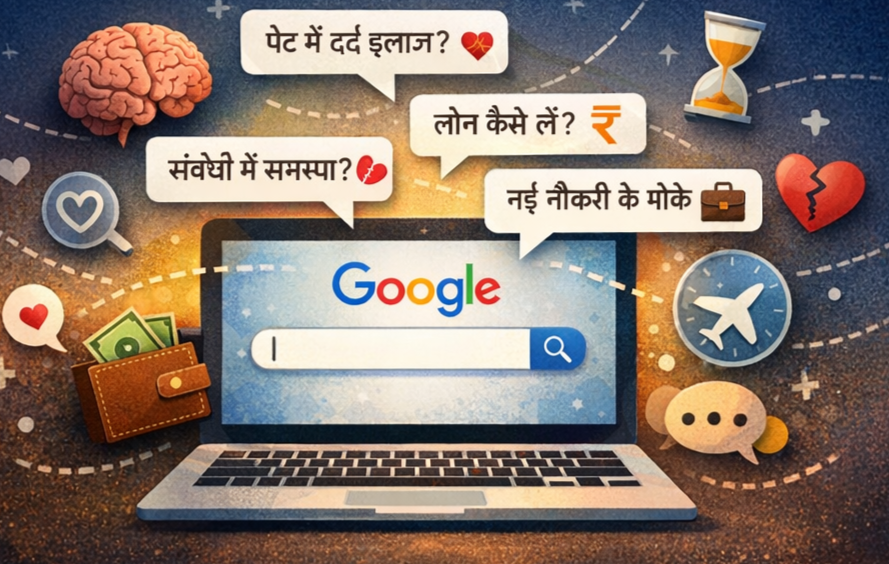
Search history is one of the most powerful sources of personal data. People search things they never say out loud. Health concerns, financial worries, relationship doubts, career fears, and future plans often appear in search queries. These searches reveal intent, emotion, and curiosity. Over time, they form a psychological map of a person’s mindset. This is why Google can predict interests long before users consciously act on them.
Location Tracking Knows Your Routine
Google Maps is one of the most used apps in India. While it helps with navigation, it also records movement patterns. Google can understand where you live, where you work, how long you commute, which places you visit frequently, and even how busy your routine is. Even when location history is turned off, partial tracking can still occur through Wi-Fi signals, app activity, and device connections. This makes Google aware of routines that even close family members may not notice.
YouTube Knows Your Mood and Interests
YouTube is not just entertainment. What you watch, how long you watch, what you skip, and what you replay helps Google understand your emotional state and preferences. Late-night videos, motivational content, financial advice, health topics, or stress-related searches all indicate what is happening in your life. The recommendation system learns quickly and adapts constantly. This is why YouTube often feels “too accurate.”
Gmail and Google Services Complete the Picture
Emails contain information about bills, travel plans, subscriptions, job updates, and personal communication. Calendar entries show schedules and priorities. Google Photos identifies faces, locations, and memories. Individually, these services seem harmless. Together, they create a deeply personal digital profile that updates itself every day.
Why Ads Feel Like Mind Reading
Many people believe Google listens through microphones to show ads. In reality, prediction is more powerful than listening. By analyzing past behavior, Google’s algorithms predict what users are likely to want next. This predictive accuracy feels invasive, even though it is based on existing data. The result is ads that appear at the “perfect” time, reinforcing the feeling of being watched.
Also read this : WhatsApp Privacy Update 2026: What Really Changed and How It Affects Indian Users
Is Google Doing Anything Illegal?
In most cases, no. Google operates within legal frameworks by obtaining user consent through terms and privacy policies. The problem is not secrecy, but complexity. Most users accept permissions without reading them. Transparency exists, but understanding does not. You can review and manage your data through official Google tools provided by Google, but very few users ever do.
Why Indians Are Especially Exposed
India has rapidly adopted digital services. Smartphones, cheap data, and app-based living have increased convenience but reduced privacy awareness. Many users share phones, accounts, and locations freely, unaware of long-term data consequences. Digital literacy has not grown as fast as digital usage.
Is This Knowledge Always Bad?
Not entirely. Google’s data helps improve services, navigation, security, and personalization. The issue arises when users lose control and awareness. Data itself is not evil. Blind data sharing is risky.
How You Can Reduce Google’s Grip
Awareness is the first step. Reviewing account settings, deleting unnecessary history, limiting permissions, and understanding privacy dashboards can significantly reduce data exposure. You don’t need to quit Google. You need to use it consciously.
Why This Matters in 2026
In a data-driven world, information shapes decisions, opportunities, and influence. Companies that know users deeply hold power. Those who understand this reality regain control. Those who ignore it give up privacy silently.
Google Knows You Because You Taught It
In 2026, Google’s deep understanding of users is not magic or spying. It is the result of years of interaction, convenience, and unintentional sharing. Your family knows you emotionally. Google knows you behaviorally. Both matter, but only one is collecting data 24/7. Awareness does not mean fear. It means choice. And in the digital age, choice is real power.