Lifestyle Diseases Are the Biggest Health Threat in 2026
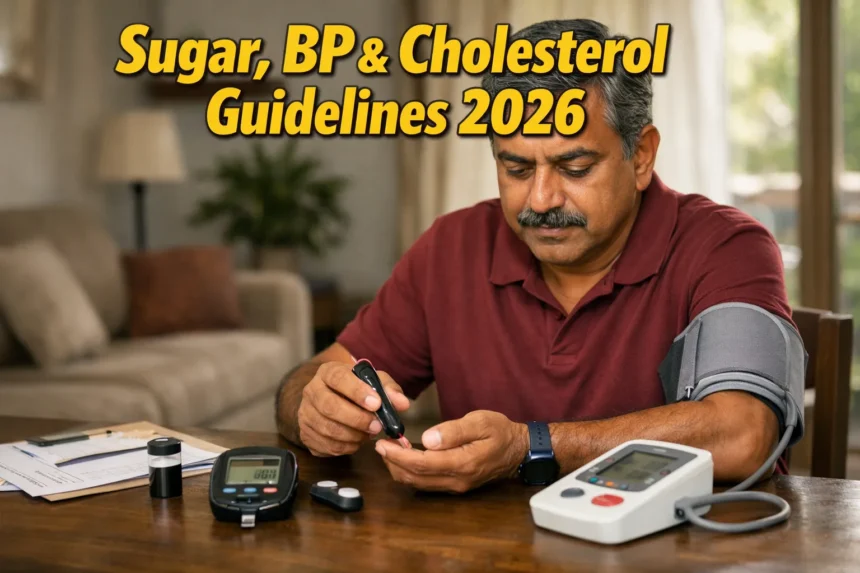
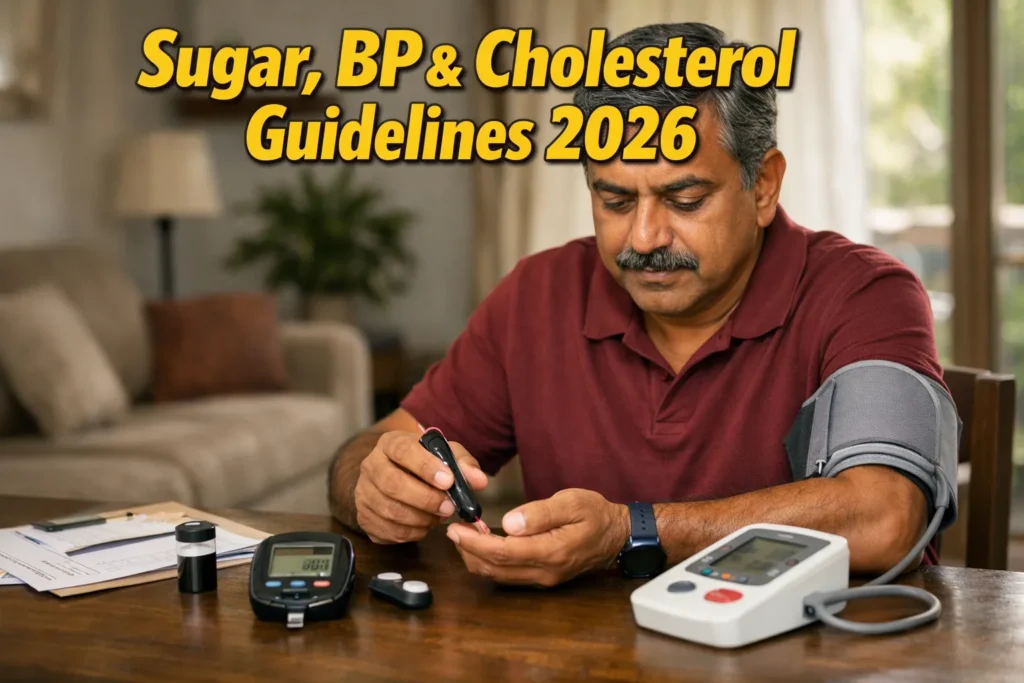
In 2026, lifestyle-related diseases have emerged as the most serious health challenge for Indians. Conditions such as high blood sugar, high blood pressure, and high cholesterol are no longer limited to elderly people. Young adults in their 20s and 30s are increasingly being diagnosed with these problems, often without any visible symptoms. Doctors warn that ignoring sugar, BP, and cholesterol levels can silently damage vital organs like the heart, kidneys, brain, and eyes. The latest health guidelines emphasize early detection, strict monitoring, and lifestyle correction rather than delayed treatment. Understanding these guidelines is essential for protecting long-term health.
Why Sugar, BP, and Cholesterol Are Called “Silent Killers”
Blood sugar, blood pressure, and cholesterol are often referred to as silent killers because they usually do not cause pain in the early stages. Many people feel completely normal while internal damage slowly progresses. High blood sugar damages nerves and blood vessels, high BP strains the heart and arteries, and high cholesterol blocks blood flow. When these three conditions exist together, the risk of heart attack and stroke increases dramatically. This is why doctors stress regular monitoring even when there are no symptoms.
New Blood Sugar Guidelines Indians Must Know
In 2026, medical experts emphasize stricter blood sugar control to prevent diabetes-related complications. Normal fasting blood sugar should ideally remain below recommended levels, while post-meal sugar should also be carefully monitored. Prediabetes has become a major concern, as many people remain in this stage for years without diagnosis. Lifestyle correction at this stage can completely prevent diabetes. Doctors now recommend annual blood sugar testing for adults above 30 and earlier for those with a family history. Dietary control, regular physical activity, and weight management remain the most effective ways to regulate blood sugar naturally.
Also read this : Dangerous Mobile Phone Overuse Effects in 2026: How It Is Silently Damaging Your Eyes, Brain & Sleep
Updated Blood Pressure Guidelines for Better Heart Health
Blood pressure is one of the strongest indicators of heart health. In 2026, health guidelines focus on tighter BP control, especially for people with sedentary lifestyles and high stress levels. Even slightly elevated BP over long periods can damage arteries and increase the risk of heart disease. Doctors recommend regular BP monitoring at home, reduced salt intake, stress management, and consistent physical activity. Early lifestyle changes are often more effective than medication in controlling borderline BP levels.
Cholesterol Guidelines and Heart Disease Risk
Cholesterol management has become a major priority in preventive healthcare. High LDL (bad cholesterol) increases plaque buildup in arteries, while low HDL (good cholesterol) reduces protection against heart disease. The 2026 guidelines stress balanced lipid profiles rather than focusing on total cholesterol alone. Diets high in processed food, trans fats, and sugar are major contributors to unhealthy cholesterol levels. Regular lipid profile testing helps identify risks early. Doctors advise dietary changes, physical activity, and weight control as first-line strategies before medication.
Why Indians Are More Vulnerable to These Conditions
Genetic predisposition, carbohydrate-rich diets, low physical activity, and high stress levels make Indians more vulnerable to lifestyle diseases. Urban lifestyles and desk jobs further increase the risk. Many Indians also underestimate the seriousness of these conditions, assuming medication alone is sufficient. However, without lifestyle correction, medicines only manage symptoms, not root causes.
Role of Preventive Health Checkups in 2026
Preventive health checkups are now considered essential, not optional. Regular screening helps detect abnormalities early, allowing timely intervention. Doctors recommend combining blood tests, BP monitoring, and body composition analysis as part of routine health assessments. Global health authorities such as the World Health Organization emphasize preventive care as the most effective way to reduce disease burden. Reliable guidelines and updates are available at https://www.who.int.
Lifestyle Changes That Make the Biggest Difference
Simple lifestyle changes have a powerful impact on sugar, BP, and cholesterol levels. Balanced diets with fewer processed foods, regular physical activity, adequate sleep, and stress management form the foundation of prevention. Consistency matters more than extreme changes. Small daily habits, when maintained over time, significantly reduce disease risk.
Also read this : Silent Health Problems in 2026: Dangerous Diseases Indians Are Ignoring Daily
Common Myths Indians Still Believe
Many people believe that only overweight individuals develop these conditions, which is false. Even lean individuals can have high sugar or cholesterol due to genetics and poor lifestyle habits. Another common myth is that medication alone is enough. Doctors clarify that lifestyle modification is equally important for long-term control and complication prevention.
When to Seek Medical Advice
Any abnormal test result, persistent fatigue, headaches, or unexplained weight changes should prompt medical consultation. Early medical guidance prevents complications and reduces long-term healthcare costs. Ignoring early warning signs often leads to advanced disease stages that are harder to manage.
Prevention Is the Strongest Medicine
In 2026, controlling sugar, BP, and cholesterol is no longer optional; it is essential for survival and quality of life. The latest health guidelines clearly show that early monitoring, awareness, and lifestyle changes can prevent most complications. By taking responsibility for daily habits and regular checkups, individuals can protect their heart, brain, and overall health. Prevention today ensures a healthier tomorrow.