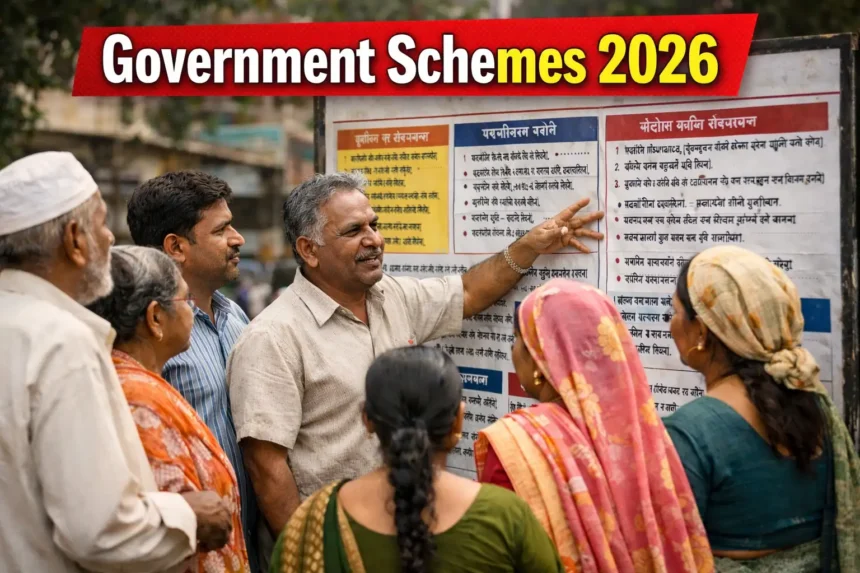
The Indian government continues to play a vital role in improving the quality of life of its citizens through various welfare initiatives. In 2026, government schemes are more focused, technology-driven, and inclusive than ever before. These schemes aim to support the poor, empower the middle class, strengthen rural development, and ensure social security for vulnerable groups. However, many people remain unaware of the benefits they are entitled to receive. This detailed guide explains the most important government schemes of 2026 in a simple and easy-to-understand manner.
Why Government Schemes Are Important in 2026
India’s growing population and changing economic conditions have increased the need for structured welfare programs. Government schemes help bridge the gap between income levels by providing financial assistance, healthcare support, housing benefits, and employment opportunities. In 2026, digital platforms and direct benefit transfer systems ensure that assistance reaches beneficiaries without delays or middlemen.
Focus on Middle Class and Working Citizens
Unlike earlier years where schemes were largely targeted at low-income groups, government schemes in 2026 also address the needs of the middle class and salaried individuals. Tax-linked benefits, affordable housing initiatives, and education support programs aim to reduce financial pressure on working families. These schemes recognize the contribution of the middle class to the economy and provide long-term stability.
Rural Development and Employment Support
Rural development remains a key priority in 2026. Government schemes continue to focus on improving infrastructure, creating employment, and enhancing agricultural productivity. Skill development programs help rural youth gain employable skills, while financial assistance schemes support small farmers and self-employed individuals. Improved connectivity and digital access have also opened new opportunities for rural communities.
Urban Welfare and Housing Initiatives
Rapid urbanization has created challenges related to housing, healthcare, and employment. Government schemes in 2026 address these issues by promoting affordable housing projects and improving access to essential services in cities. Urban welfare programs aim to provide dignified living conditions for low- and middle-income families, reducing the burden of rising living costs.
Healthcare and Social Security Programs
Healthcare remains one of the most critical areas of government intervention. In 2026, welfare schemes focus on providing affordable medical treatment, health insurance coverage, and preventive care. Social security programs support senior citizens, widows, and persons with disabilities by offering financial assistance and essential services. These initiatives help reduce inequality and ensure a safety net for those in need.
Education and Skill Development Schemes
Education-based government schemes continue to empower young citizens by providing scholarships, skill training, and digital learning resources. In 2026, emphasis is placed on practical skills, vocational education, and industry-oriented training. These programs aim to improve employability and prepare the workforce for future economic challenges.
Transparency Through Digital Platforms
Digital governance has significantly improved the efficiency of government schemes. Online portals allow citizens to apply, track, and receive benefits with minimal paperwork. Aadhaar-based verification and direct benefit transfers reduce fraud and ensure transparency. Official information related to government welfare programs is published on the National Portal of India, which serves as a reliable source for scheme-related updates.
Challenges in Implementation
Despite improvements, challenges remain in reaching every eligible citizen. Lack of awareness, digital literacy issues, and documentation gaps sometimes prevent people from accessing benefits. Continuous efforts are being made to simplify procedures and increase outreach through awareness campaigns and local support centers.
How Citizens Can Benefit More from Government Schemes
To make the most of government schemes in 2026, citizens should stay informed about eligibility criteria and application processes. Keeping documents updated, checking official portals regularly, and avoiding unofficial sources helps prevent misinformation. Active participation and awareness are key to maximizing benefits.
Also read this : FASTag New Rules 2026: Toll Plaza Entry–Exit, Penalty and Balance Rules
Future Outlook of Government Schemes
Government schemes in 2026 reflect a shift toward inclusive growth and sustainable development. With increasing use of technology and data-driven planning, future welfare programs are expected to become even more targeted and efficient. These initiatives aim to create long-term social and economic stability across the country.
Government schemes 2026 play a crucial role in shaping a balanced and inclusive society. From healthcare and education to housing and employment, these welfare programs support citizens at every stage of life. By understanding available schemes and using official resources, individuals can secure financial stability and improve their quality of life. Awareness and participation remain the strongest tools for benefiting from government initiatives in 2026.